
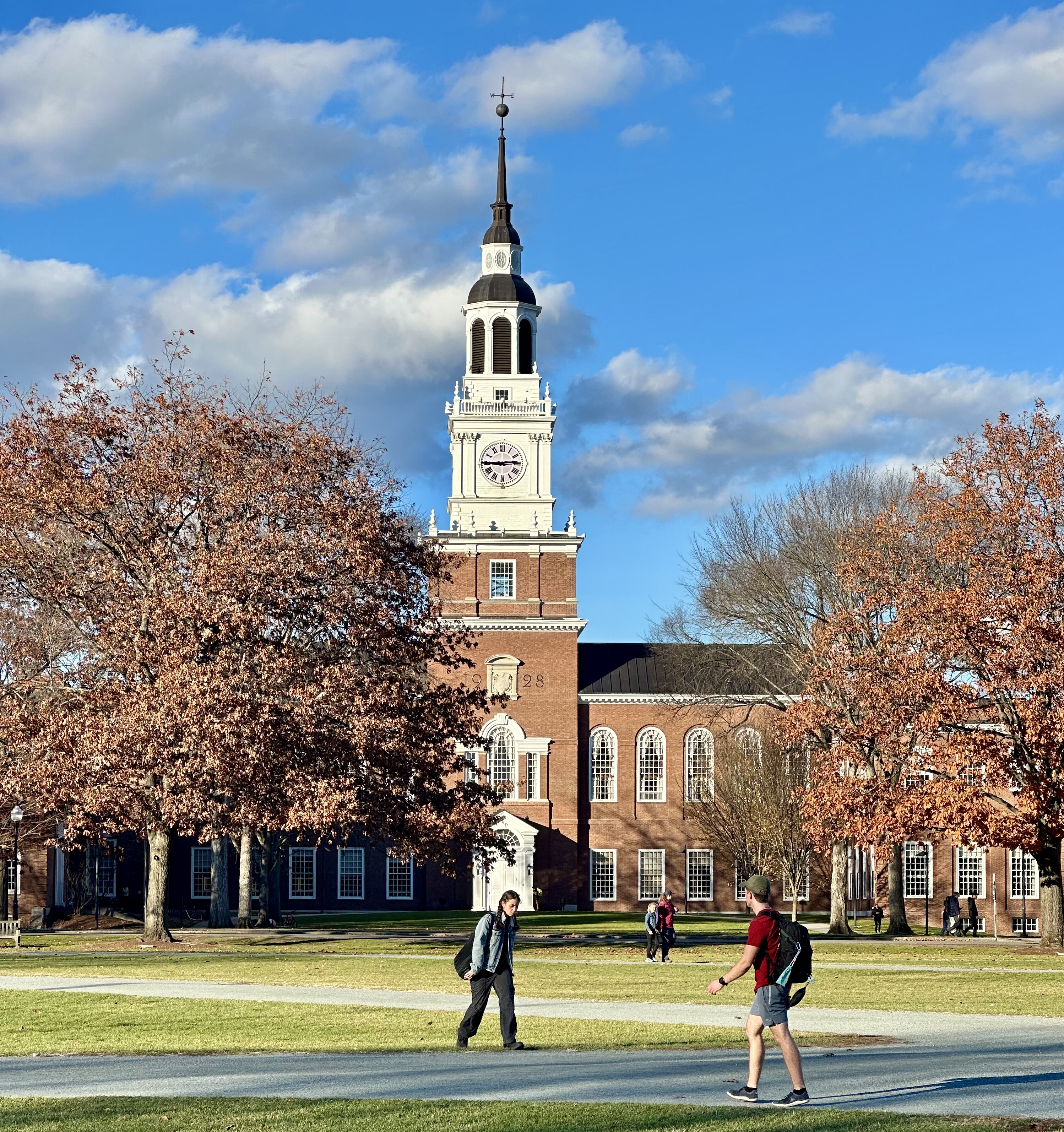
More autistic students than ever are enrolling in colleges and universities across the United States. Recent research suggests that nearly half of autistic high school graduates now pursue higher education—a dramatic increase from just a decade ago.
A new study from Michigan State University estimates that roughly 280,000 autistic students are currently enrolled in U.S. colleges and universities, a figure three to five times higher than earlier estimates.
Yet despite this growth, many colleges still underestimate how many autistic students are on their campuses.
Why? Because many students never disclose their diagnosis.
Autism on Campus Is More Common Than People Think
Many autistic students arrive at college having spent years learning how to mask their differences. They may have succeeded academically in high school without drawing much attention to themselves, or they may worry that disclosing autism will lead to stigma.
Others don’t realize that they must actively request accommodations in college. Unlike high school, colleges do not automatically provide services because a student had an IEP. Students must identify themselves to the disability services office, provide documentation, and advocate for the support they need.
As a result, colleges often believe they serve relatively few autistic students, while the actual number may be much higher.
Academic Ability Is Usually Not the Biggest Challenge
Parents often ask me whether their child is “smart enough” for college. In many cases, academics are not the primary obstacle.
The students who thrive are often those who have developed the executive functioning, self-advocacy, flexibility, and independent living skills that college demands every day.
Successful students are able to:
- Ask professors for help.
- Manage deadlines without constant reminders.
- Navigate roommate conflicts.
- Recover from setbacks.
- Organize assignments across multiple classes.
- Balance academics with self-care.
- Use their alarms to wake up in time for class.
These are life skills—not just academic skills.
Accommodations Are Important—but They Aren’t Enough
Many families understandably focus on accommodations from College Disability Services such as:
- Extended testing time
- Reduced-distraction testing rooms
- Note-taking assistance
- Priority registration
These supports can be extremely helpful, but accommodations alone rarely determine whether a student succeeds.
Students also need opportunities to build friendships, join clubs, develop confidence, and feel that they belong on campus. Research consistently shows that students who are socially connected are more likely to remain enrolled and graduate.
Belonging matters.
Choosing the Right College Means Looking Beyond Rankings
Parents often ask me, “What’s the best college for autism?” The better question is: “Which college is the best fit for my child?”
When visiting colleges, visit the disability services office. Ask questions such as:
- Are there peer mentoring programs?
- Is there a structured autism support program?
- How experienced are disability staff?
- What mental health services are available?
- Are executive functioning coaches available?
- Are there opportunities for social connection?
- What happens if a student begins to struggle during the semester?
The answers to these questions often predict success better than a college’s ranking or acceptance rate.
College Readiness Starts Long Before Senior Year
The best transition plans begin years before college applications are submitted. By ninth or tenth grade, students should gradually begin learning to:
- Wake up in the morning independently.
- Schedule appointments.
- Manage medications if appropriate.
- Communicate with teachers independently.
- Practice budgeting and time management.
- Solve everyday problems without immediate parental intervention.
These experiences build confidence that cannot be developed overnight during the summer before freshman year.
The Good News
The growing number of autistic students attending college is something to celebrate. It reflects higher expectations, stronger K–12 supports, and increased recognition that autism does not limit intellectual potential.
The next challenge belongs to colleges.
Institutions must move beyond simply providing accommodations and begin creating environments where autistic students can truly thrive—academically, socially, and personally.
When colleges combine strong disability services with mentoring, executive functioning support, mental health resources, and an inclusive campus culture, autistic students don’t just attend college.
They succeed.
Parent Takeaway
If your child is considering college, don’t focus only on getting accepted.
Focus on becoming college ready.
A successful transition involves much more than grades and test scores. It requires independence, self-advocacy, organization, resilience, and the confidence to navigate an entirely new environment.
Those are skills that can—and should—be developed long before move-in day.
Leave a Reply