-
Back-to-School Transitions: Helping Neurodivergent Students Prepare for Change

When I was a girl, I prepared for the first day of school with a trip to the store for a Day Keeper planner and a fresh set of markers. This was a very special occasion because I have always had a weakness for office supplies. Give me a stack of glittery Post-it Notes, and…
-
The August 10th Newsletter is Ready

Check out the latest edition of The Autism Insider. Subscribe for more great info in your inbox:
-
The Skills They Don’t Teach in the Classroom

When my son graduated high school, he wasn’t ready for college — and we knew it. Instead of moving into a dorm that fall, he spent the next three years in an 18-to-21 transition program, splitting his time between community college classes and a curriculum most schools don’t offer: real life. His teachers, outside therapists,…
-
For NJ Parents, A Calendar to Manage DDD Budget — Downloadable Flyer

If you are a Direct Service Employee (DSE) — a parent who is paid by the state to watch your adult with a disability — you know that it can be difficult to keep track of your hours and invoices. Acumen isn’t simple. Use this calendar to keep track of your hours for the year.…
-
July 20th Newsletter is Ready!

Our July 20th Newsletter is available here. Subscribe for more great information in your inbox.
-
Why So Many More Autistic Students Are Going to College—And Why Many Colleges Aren’t Ready
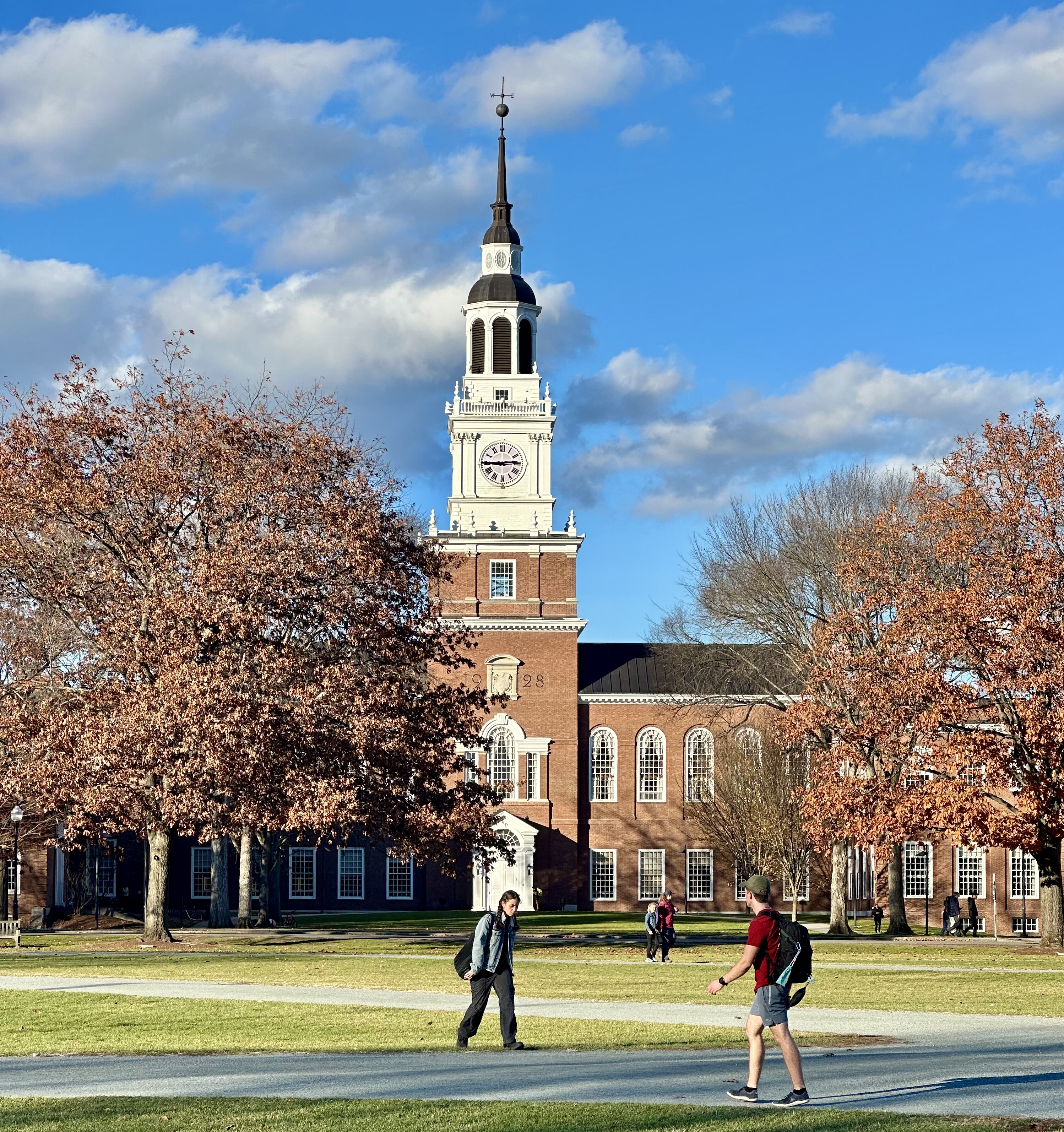
More autistic students than ever are enrolling in colleges and universities across the United States. Recent research suggests that nearly half of autistic high school graduates now pursue higher education—a dramatic increase from just a decade ago. A new study from Michigan State University estimates that roughly 280,000 autistic students are currently enrolled in U.S. colleges…
-
Is Your Teen’s Transition IEP Really Preparing Them for Adult Life?

Many parents breathe a sigh of relief when they reach the transition section of their teenager’s IEP. After all, the school has a plan for life after high school—right? Unfortunately, not always. Too many IEPs offer little guidance about ways to reach reasonable goals and instead only offer a boilerplate list of government agencies. To…
-
Autistic People Never Stop Growing

I discovered Temple Grandin about twenty years ago, when my son was first diagnosed with autism. Back then, we had few trusted sources to tell us why our kids had trouble talking or hated loud noises. Grandin, the animal behaviorist and autism author, was the first person who explained to me how my son’s brain worked. It wasn’t broken;…
Sign up for our newsletter.