
Difficulty with social interaction is one of the core features of autism. Some children don’t talk at all. Others talk a lot, but only about what they want to talk about.
A good conversation is like a tennis match. One person lobs the ball over the net, and the other hits it back. Over and over. Of course, everyone, autistic or not, has different skills in this area. Some folks can keep that ball going all day, while others need quiet time after an hour of small talk at a party.
Autistic people face a host of challenges with social communication, related to language differences, rigidity, anxiety, obsessive thinking, and difficulty with perspective-taking. For most, building social skills is an ongoing need that continues into adulthood.
The good news is that there are several ways to build social skills.
Speech therapists often use a curriculum to develop these skills. Two popular approaches are Social Thinking and the PEERS programs.
ABA companies are increasingly creating social skills groups for teens and young adults. Some agencies offer community-based therapy, practicing social skills in real settings like the supermarket and the pizza parlor. ABA is often covered by health insurance, which saves families money.
Schools can build social skills, too. The challenge is setting up a group with a critical mass of students with similar abilities and interests. Even without a formal social skill group, students can pick up these skills informally, through interactions with peers in the lunchroom and gym. Schools are also language-rich environments, exposing autistic students to thousands of words every hour.
Everyday life. But therapy isn’t the only answer. Social skills can also develop naturally.
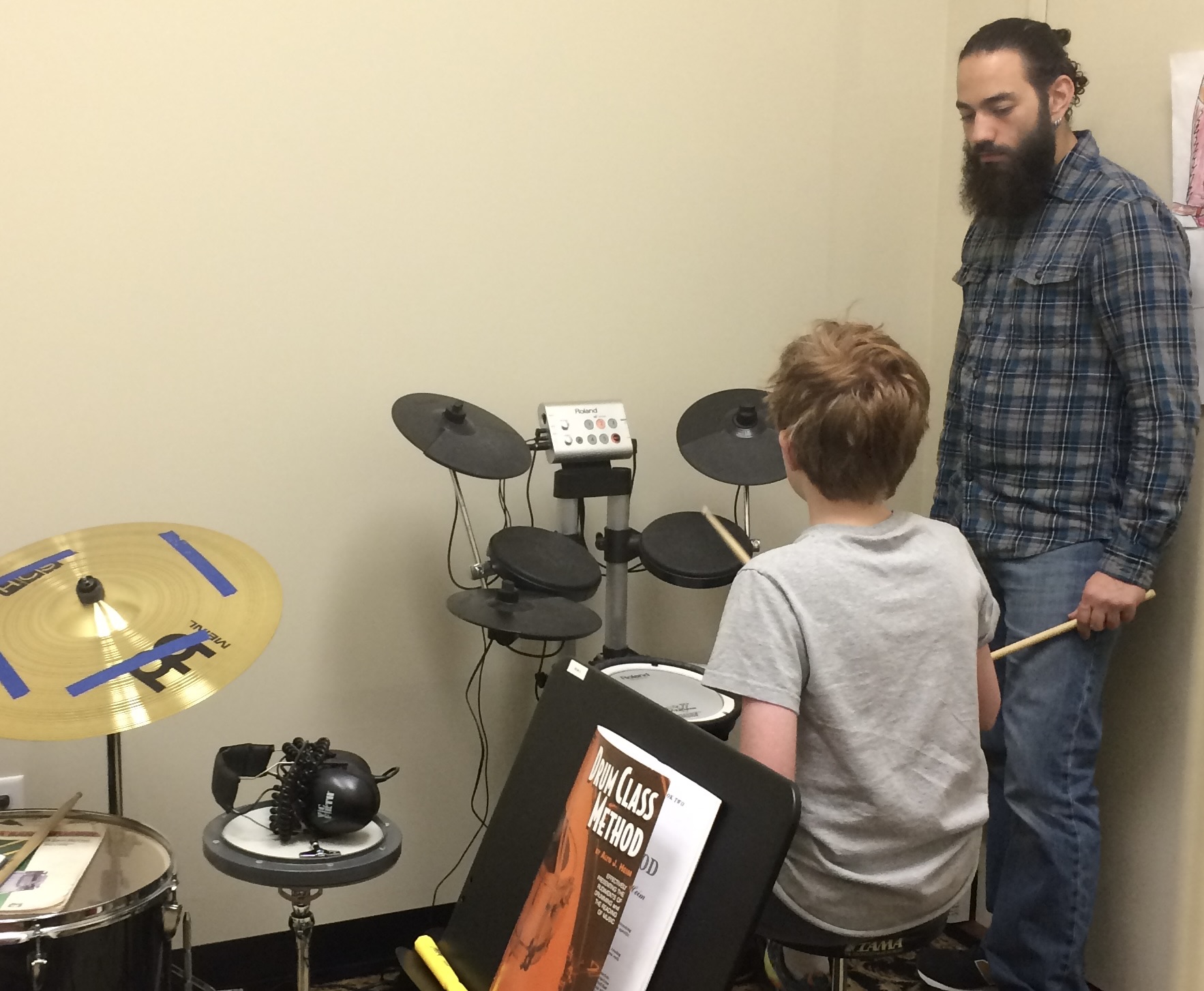
When my son was in middle school, I signed him up for percussion lessons. Danny, his teacher, had no background in autism or speech therapy. He knew drums. Yet my son’s conversation skills grew during those lessons as they talked about beats and rests. Sometimes Danny would play along on his trumpet. Together, they made beautiful music (and chit-chat).
The best social skills practice often comes wrapped in a shared interest. Look for the drum teacher, the coding club, the volunteer gig: places where conversation has something to hold onto.
And if you’d like help figuring out the right mix of therapy, school services, and community activities for your child, book a free 30-minute call.